
An anal fissure can make the simplest daily activity feel like a challenge. If you are experiencing sharp, cutting pain or bright red bleeding during bowel movements, you may be suffering from a tear in the anal lining. At Arogyam Piles Clinic & Research Centre, we specialize in providing holistic, non-surgical, and highly effective Ayurvedic treatment for anal fissures, helping you return to a life of comfort.
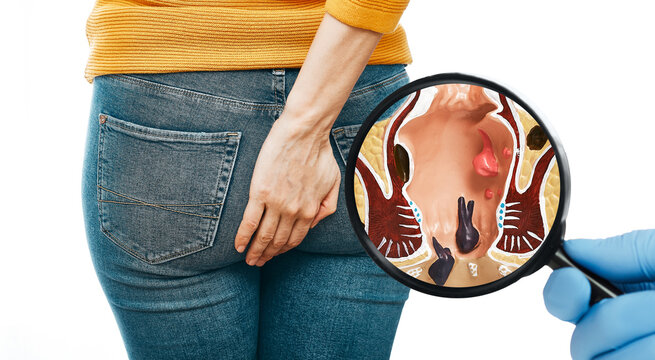
An anal fissure is a small tear or crack in the mucosal lining of the anal canal. While it may seem like a minor injury, its location makes it extremely painful. The muscle underneath, the internal anal sphincter, is exposed to air and stool. This exposure causes intense spasms, which reduce blood flow and slow down the body’s natural healing process.
Types of Fissures We Treat
Acute Anal Fissure: This is a recent tear, less than 6 weeks old, that usually responds quickly to specialized Ayurvedic ointments and dietary changes.
Chronic Anal Fissure: This is a long-standing tear, lasting more than 6 weeks, often accompanied by a skin tag or “sentinel pile.” These require Ayurvedic procedures like Kshara Karma for a permanent cure. Symptoms and Warning Signs Most patients describe the feeling of an anal fissure as “passing broken glass.”
Common symptoms include:

In Ayurveda, an anal fissure is called Parikartika. Our treatment focuses on balancing the body’s internal energies to heal the wound from the inside.

100% natural Ayurvedic treatment

Quick and comfortable healing process

Affordable treatment without surgery

Custom care tailored to your needs

Effective prevention of recurrence

Our specialists ensure expert care
1. What is an anal fissure?
An anal fissure is a small tear in the lining of the anus that causes pain and bleeding during bowel movements.
2. What are the symptoms of fissure?
Pain during stool, burning sensation, itching, and slight bleeding.
3. What causes fissures?
Constipation, hard stools, diarrhea, pregnancy, or injury to the anal area.
4. What is the difference between acute and chronic fissure?
Acute fissures heal quickly, while chronic fissures last longer and may need treatment.
5. How is fissure diagnosed?
By medical history and physical examination by a doctor.
6. What treatments are available?
Diet changes, medicines, ointments, and in severe cases, minor procedures or surgery.
7. Can fissure be treated without surgery?
Yes, most cases improve with diet, hydration, and medications.
8. What happens if fissure is not treated?
It may become chronic and more difficult to treat.
9. How can fissure be prevented?
Eat fiber-rich food, drink water, exercise, and avoid straining.
10. What are piles?
Piles are swollen veins in the rectum or anus that may cause bleeding and discomfort.
11. How are piles different from fissures?
Fissures are tears causing pain, while piles are swollen veins causing bleeding and lumps.
12. When should you see a doctor?
If symptoms last more than 1–2 weeks or cause severe pain or bleeding.