
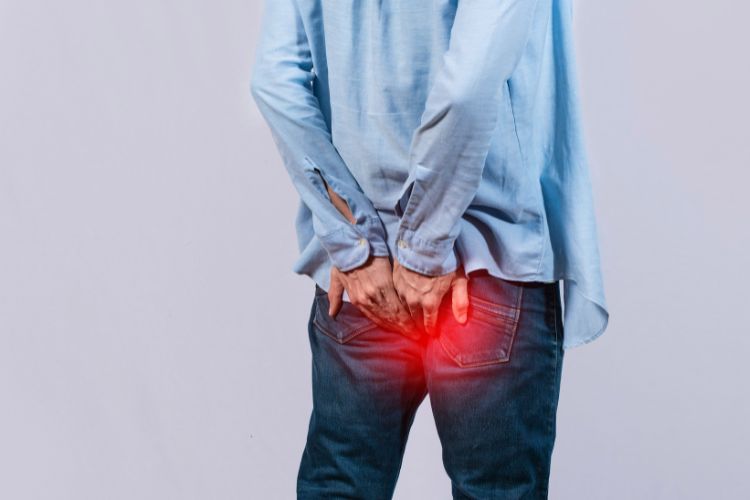
Pilonidal sinus is a painful and recurrent disease which makes sitting and walking a tough task to handle. This is a medical problem where there is an opening made in the skin that looks like a tunnel or "sinus". We at Arogyam Piles Clinic & Research Centre have come up with a unique form of Ayurvedic treatment for pilonidal sinus, which aims at ensuring complete cure of this recurrent problem.
Pilonidal sinus is a long-term skin disorder that usually affects the area around the tail bone. The condition arises due to hair, foreign bodies, or sweat being lodged into the skin pores in the buttock area. This material then becomes a foreign body and initiates the development of a channel or “tunnel” through the skin.
The resulting tunnel often gets infected, and as a result, there is:
Why Does Pilonidal Sinus Occur?
Although everyone can suffer from this problem, it occurs more often among young people and individuals with particular lifestyles. The main causes are:

Consultation by a professional is imperative in case any of the following symptoms occur around your lower back region:
The Ayurvedic Perspective: Nadi Vrana
Pilonidal sinus is connected to Nadi Vrana in Ayurvedic science. “Nadi” is a tubular or channel-like form, while “Vrana” signifies wounds or ulcers.
Without appropriate treatments, Nadi Vrana may become Dushta Vrana, which is a chronic or contaminated wound that needs purification.

100% natural Ayurvedic treatment

Quick and comfortable healing process

Affordable treatment without surgery

Custom care tailored to your needs

Effective prevention of recurrence

Our specialists ensure expert care
Recovery depends on the severity and type of piles, but with proper treatment and guidance, patients can return to their normal routine comfortably.
1. What is a pilonidal sinus or cyst?
It is a small tunnel or cyst under the skin near the tailbone that often contains hair and debris.
2. What are the common symptoms?
Pain, swelling, redness, pus discharge, and sometimes fever.
3. What causes pilonidal sinus?
Ingrown hair, prolonged sitting, friction, poor hygiene, and excess body hair.
4. Who is at risk?
Young adults, people who sit for long hours, and those with thick body hair.
5. Is pilonidal sinus serious?
It can become painful and infected if not treated, but is manageable with proper care.
6. Can it heal on its own?
Mild cases may improve, but most require medical treatment.
7. How is it diagnosed?
Usually through physical examination by a doctor.
8. What treatments are available?
Antibiotics, drainage of abscess, laser treatment, or surgery in severe cases.
9. Can it come back after treatment?
Yes, recurrence is possible if proper care and hygiene are not maintained.
10. How can it be prevented?
Maintain hygiene, avoid prolonged sitting, remove excess hair, and keep the area clean and dry.
11. Is surgery always required?
No, only severe or recurrent cases may need surgery.
12. When should I see a doctor?
If you notice pain, swelling, or pus discharge near the tailbone.
© 2026. All Rights Reserved