
Hemorrhoids, or piles, as they are often referred to medically, have the potential to transform one’s everyday activities into an ordeal that is both physically painful and psychologically stressful. Hemorrhoids are a result of swollen blood vessels in the rectal and anal areas, and affect millions of people worldwide, regardless of age. Our clinic, Arogyam Piles Clinic & Research Centre, serves as the link between scientific diagnosis and traditional Ayurvedic treatment to ensure your long-lasting relief from piles.
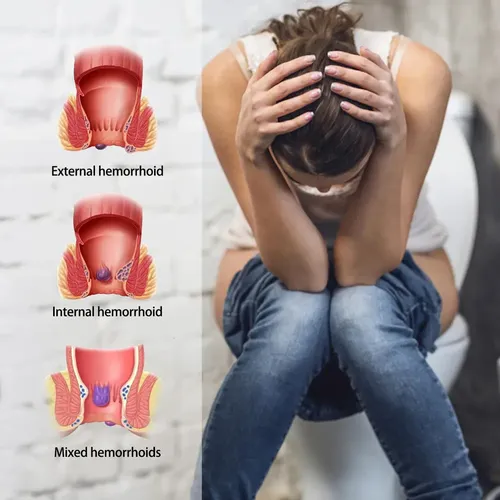
The piles are vascular bodies in the anus that tend to become swollen due to high pressures within the lower rectum. One can describe them as “varicose veins of the anus.” They are basically of two types:
Internal Piles: They are found deep within the rectum and cannot be seen or felt but usually result in painless bleeding.
External Piles: These develop underneath the skin around the anus.
The Four Grades of Internal Piles Explained
Internal piles can be categorized depending on how serious they are. Knowing which Grade you have is very important when determining the best way to treat it:
Signs: Excessive bleeding, difficulty sitting and moving around, and the risk of developing a thrombosis (a painful clot).
Visibility: They cannot be tucked back into the rectum.

What Leads to Hemorrhoids?
Hemorrhoids may be considered a “lifestyle disorder” because of the continuous strain put on the veins of the rectum. Some causes of hemorrhoids are:
The term Arsha, in the ancient books of Ayurveda, denotes the disease Piles, which “attacks a man like an enemy.” It is primarily considered a digestive problem caused due to a disturbance in the Dosha system, specifically Apana Vata (which helps in the elimination process).
The intake of improper food (hot, oily, or rough food) causes a reduction in our body’s Agni, leading to the formation of Ama, resulting in constipation. This increases the pressure on the rectum veins, causing their swelling and the formation of Arsha.
Types of Arsha:

100% natural Ayurvedic treatment

Quick and comfortable healing process

Affordable treatment without surgery

Custom care tailored to your needs

Effective prevention of recurrence

Our specialists ensure expert care
1. What are piles (hemorrhoids)?
Piles are swollen veins in the lower rectum or anus that can cause discomfort, bleeding, or lumps.
2. What are the common symptoms of piles?
Bleeding during stool, itching, pain, swelling, and a lump near the anus.
3. What causes piles?
Constipation, straining during bowel movements, sitting for long periods, pregnancy, and low-fiber diet.
4. What are the types of piles?
Internal piles (inside rectum) and external piles (under the skin around the anus).
5. Are piles dangerous?
They are usually not dangerous but can cause discomfort and complications if untreated.
6. Can piles go away on their own?
Mild cases can improve with lifestyle changes and home remedies.
7. How are piles diagnosed?
Doctors diagnose piles through physical examination and sometimes additional tests.
8. What treatments are available?
Treatment includes medicines, diet changes, non-surgical procedures, and surgery in severe cases.
9. Can piles be treated without surgery?
Yes, many cases are treated with medications, diet changes, and minimally invasive procedures.
10. What foods should be eaten?
High-fiber foods like fruits, vegetables, and whole grains help prevent and manage piles.
11. What foods should be avoided?
Spicy, oily, processed foods and low-fiber diets should be avoided.
12. When should I see a doctor?
If you experience persistent bleeding, severe pain, or no improvement after a few weeks.