
Don’t Ignore These Early Warning Signs—Your Body May Be Trying to Tell You Something
Piles, also known as hemorrhoids, are one of the most common health conditions affecting people of all ages. Despite being common, many individuals hesitate to discuss them due to embarrassment. As a result, they ignore the early signs and symptoms of piles until the condition becomes painful and difficult to manage.
Recognizing the early symptoms can help you seek timely treatment, reduce discomfort, and avoid complications. Whether you experience mild itching or notice slight bleeding during bowel movements, these symptoms should never be ignored.
In this comprehensive guide, you’ll learn everything about the What Are the Early Signs and Symptoms of Piles, including causes, different types, risk factors, diagnosis, treatment options, and prevention methods.
What Are Piles?
Piles are swollen and inflamed veins found inside the rectum or around the anus. They develop when excessive pressure is placed on the lower rectum, causing veins to enlarge.
Piles are generally classified into two types:
- Internal Piles
- External Piles
Internal piles develop inside the rectum and often remain painless during the initial stages. External piles form around the anus and are more likely to cause pain, swelling, and irritation.
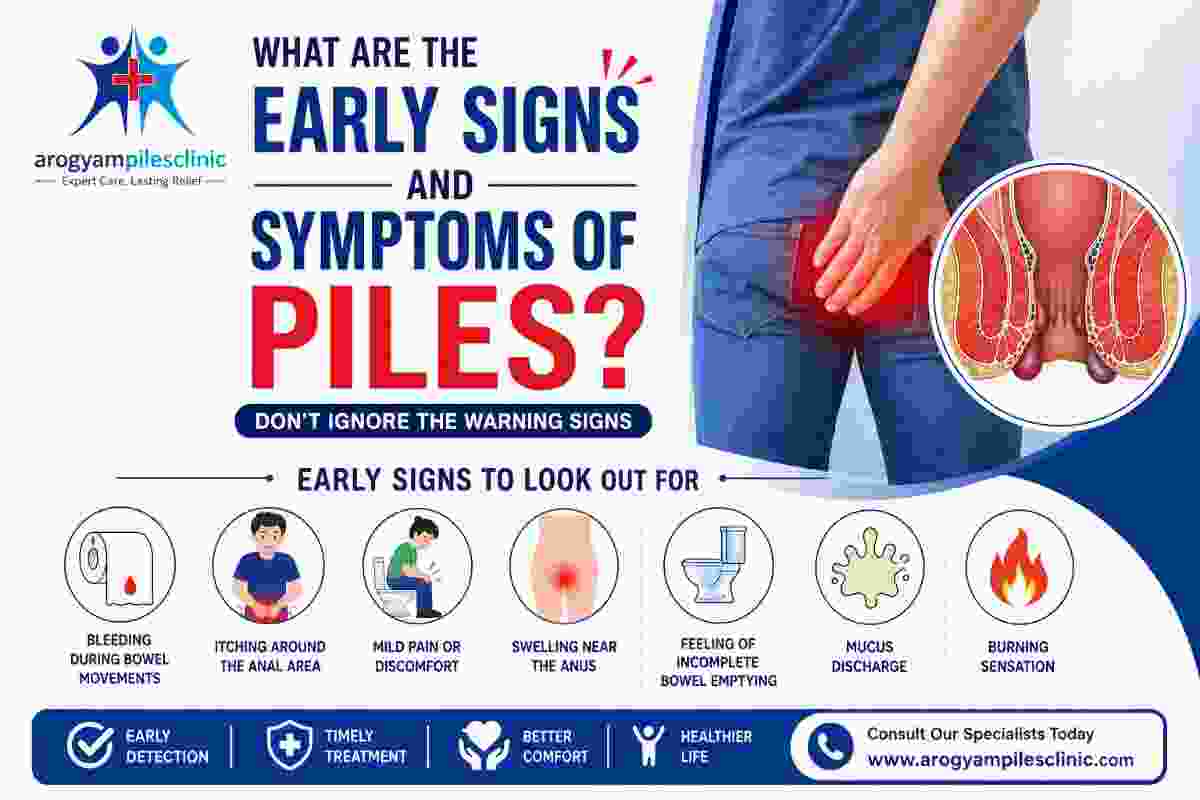
What Are the Early Signs and Symptoms of Piles?
Most people overlook the initial symptoms because they seem minor. However, these early warning signs should not be ignored.
Mild Bleeding During Bowel Movements
One of the earliest indicators is bright red blood on toilet paper or in the toilet bowl after passing stool. This bleeding is usually painless but should always be evaluated by a healthcare professional.
Itching Around the Anal Area
Persistent itching is another common symptom. Inflamed veins can produce mucus that irritates the surrounding skin, leading to continuous itching.
Slight Pain or Discomfort
In the beginning, you may notice mild discomfort while sitting or during bowel movements. The pain is usually not severe but tends to increase if untreated.
Swelling Near the Anus
A small lump or swelling around the anus may appear due to enlarged veins. Initially, it may feel soft and painless.
Feeling of Incomplete Bowel Emptying
Some people constantly feel the urge to pass stool even after completing a bowel movement. This sensation can indicate internal piles.
Mucus Discharge
Internal piles sometimes produce mucus that may stain undergarments or cause irritation around the anus.
Burning Sensation
A mild burning sensation after bowel movements can also be an early symptom caused by inflamed tissues.
Common Causes Behind Piles
Several lifestyle and medical factors contribute to piles.
Chronic Constipation
Straining during bowel movements places excessive pressure on rectal veins.
Sitting for Long Periods
Office workers and drivers often remain seated for extended hours, increasing the risk.
Low-Fiber Diet
Insufficient fiber leads to hard stools and constipation.
Pregnancy
Growing pressure from the uterus affects pelvic veins.
Obesity
Excess body weight increases pressure on the lower rectum.
Heavy Weight Lifting
Repeated lifting strains abdominal muscles and rectal veins.
Aging
As we age, the tissues supporting rectal veins naturally weaken.
Who Is Most at Risk?
Anyone can develop piles, but certain groups have a higher risk.
People at greater risk include:
- Adults above 40 years
- Pregnant women
- Individuals with chronic constipation
- Obese individuals
- Office workers
- Drivers
- Weightlifters
- People with sedentary lifestyles
- Individuals consuming low-fiber diets
Internal vs External Piles
Internal Piles
Internal piles develop inside the rectum.
Common symptoms include:
- Painless bleeding
- Mucus discharge
- Feeling of incomplete bowel emptying
- Tissue protrusion during bowel movement
External Piles
External piles develop under the skin around the anus.
Common symptoms include:
- Pain
- Swelling
- Itching
- Tender lumps
- Difficulty sitting comfortably
When Should You Visit a Doctor?
Consult a healthcare professional immediately if you experience:
- Frequent bleeding
- Severe pain
- Large swelling
- Persistent itching
- Difficulty passing stool
- Blood mixed with stool
- Symptoms lasting more than one week
Early diagnosis prevents complications and speeds recovery.
How Are Piles Diagnosed?
Doctors usually perform a physical examination along with reviewing your medical history.
Additional diagnostic methods may include:
- Digital rectal examination
- Anoscopy
- Sigmoidoscopy
- Colonoscopy (when necessary)
These procedures help determine the severity of the condition.
Treatment Options for Early Piles
Fortunately, early-stage piles respond well to conservative treatment.
Increase Fiber Intake
Include foods like:
- Fruits
- Vegetables
- Whole grains
- Oats
- Lentils
Fiber softens stool and reduces straining.
Drink Plenty of Water
Aim for at least 2–3 liters of water daily to maintain soft bowel movements.
Exercise Regularly
Walking, yoga, and light exercise improve digestion and circulation.
Warm Sitz Bath
Soaking the affected area in warm water for 15–20 minutes helps relieve pain and itching.
Avoid Straining
Never sit on the toilet for prolonged periods or force bowel movements.
Medications
Doctors may prescribe:
- Pain-relieving creams
- Anti-inflammatory ointments
- Stool softeners
- Oral medications
Always follow medical advice before using any medication.
Can Piles Be Prevented?
Preventive measures include:
- Eat fiber-rich foods daily
- Drink enough water
- Exercise regularly
- Avoid prolonged sitting
- Maintain healthy weight
- Do not ignore the urge to pass stool
- Avoid excessive straining
- Limit spicy and processed foods
Small daily habits can significantly reduce the risk of developing piles.
Foods That Help Reduce Piles Symptoms
Choose foods rich in fiber and nutrients.
Recommended foods include:
- Apples
- Pears
- Bananas
- Papaya
- Broccoli
- Spinach
- Brown rice
- Oats
- Whole wheat
- Lentils
- Beans
- Flaxseeds
- Chia seeds
Avoid:
- Fried foods
- Fast food
- Excessively spicy meals
- Alcohol
- Sugary beverages
Myths About Piles
Myth: Only Older Adults Get Piles
Fact: Young adults can also develop piles due to poor lifestyle habits.
Myth: Surgery Is Always Necessary
Fact: Most early cases improve with lifestyle modifications and medication.
Myth: Bleeding Always Means Piles
Fact: Rectal bleeding can result from various conditions and should always be medically evaluated.
Myth: Piles Go Away Without Treatment
Fact: Mild symptoms may improve, but untreated piles often worsen over time.
Why Early Diagnosis Makes All the Difference
Ignoring the early signs and symptoms of piles may lead to chronic pain, excessive bleeding, thrombosed hemorrhoids, or prolapse. Seeking medical advice at the first sign of discomfort allows for quicker recovery, simpler treatment, and a better quality of life. Paying attention to your body’s signals is the first step toward preventing long-term complications.
Get Expert Care for Piles at arogyampilesclinic
If you’re experiencing persistent discomfort, itching, swelling, or bleeding, don’t wait for the condition to become severe. arogyampilesclinic offers patient-focused evaluation and personalized treatment plans designed to address piles at every stage. With experienced specialists, advanced treatment options, and compassionate care, arogyampilesclinic helps patients return to a comfortable and healthy lifestyle. Early consultation can reduce complications, speed up recovery, and improve overall well-being.
Conclusion
Recognizing What Are the Early Signs and Symptoms of Piles can make a significant difference in your health journey. Symptoms such as itching, mild bleeding, swelling, and discomfort should never be ignored. By adopting a healthy diet, staying active, drinking plenty of water, and seeking timely medical advice, most cases can be managed effectively before they become severe. Taking action early is the key to faster recovery and long-term relief.
Frequently Asked Questions (FAQs)
1. What are the first signs and symptoms of piles?
The earliest symptoms include mild bleeding during bowel movements, itching around the anus, slight discomfort while sitting, swelling near the anus, and a feeling of incomplete bowel emptying. Early diagnosis helps prevent the condition from worsening.
2. Can piles heal naturally in the early stage?
Yes. Mild piles often improve with lifestyle changes such as eating a high-fiber diet, drinking plenty of water, exercising regularly, and avoiding straining during bowel movements. However, persistent symptoms should always be evaluated by a healthcare professional.
3. When should I consult a doctor for piles?
You should seek medical advice if you experience repeated bleeding, severe pain, increasing swelling, persistent itching, or symptoms that continue for more than a week despite home care. Early treatment leads to better outcomes and reduces the risk of complications.