
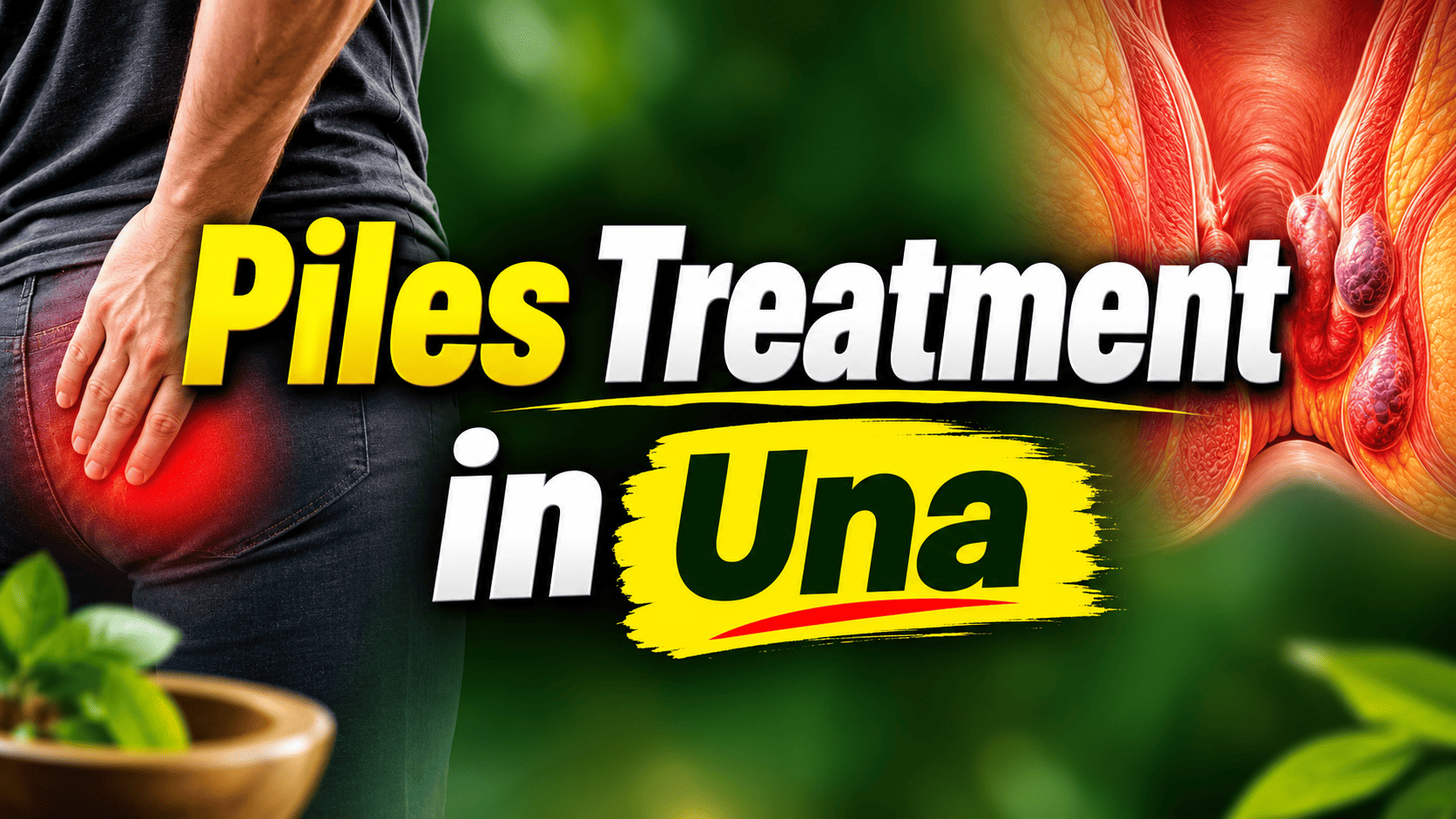
Seeing blood after passing stool once is easy to put down to constipation. But if it keeps happening, or you have pain and itching along with it, you probably want to know what is actually going on.
And if you think it could be piles, surgery may already be on your mind. It does not have to be the first option. There are other ways to treat piles, but which one will help you depends on the kind of piles you have and how serious they are.
So, let’s look at your options for piles treatment in Una and when it makes sense to see a doctor.
What are piles and their symptoms?
Piles are swollen blood vessels inside or around the anus. They can cause bright red bleeding after passing stool, itching, pain, swelling or a lump around the anus.
Internal piles sit inside and often do not hurt, so blood on the toilet paper can be the first thing you notice. External piles form around the opening and are easier to feel.
You may notice:
-
- bright red blood after passing stool
-
- itching or irritation
-
- pain while sitting or using the toilet
-
- a lump near the anus
-
- something coming out while you pass stool
When should you get piles checked?
Get checked if bleeding keeps coming back, pain is not getting better, a lump becomes very painful or your symptoms continue after you deal with constipation.
If you see a tiny bit of blood once after a hard stool, watch what happens. If you keep seeing it, do not keep blaming constipation or using creams without knowing the cause.
Bleeding does not always mean piles. ASCRS 2024 piles guidelines Get medical help quickly if you have heavy bleeding, serious pain, fever, stomach pain or diarrhoea with the bleeding.
What ayurvedic and non-surgical piles treatment options are available in Una?
Many piles can be treated without surgery. Treatment includes food and toilet-habit changes, medicines, Ayurvedic care and procedures such as Kshara Karma, rubber band ligation, sclerotherapy and infrared treatment.
| Treatment | What happens? |
| Food and lifestyle changes | Fibre, fluids and better toilet habits reduce straining. |
| Medicines | Your doctor uses medicines to manage constipation, pain or other symptoms. |
| Kshara Karma | The doctor applies an Ayurvedic alkaline preparation to pile tissue. |
| Rubber band ligation | A small band cuts off the blood supply to an internal pile. |
| Sclerotherapy | An injection makes the pile shrink. |
| Infrared treatment | Infrared energy creates scar tissue that shrinks the pile. |
A study of 50 people with first- and second-degree internal piles compared Apamarga Kshara with sclerotherapy and found improvement with both. Read the Apamarga Kshara study on PubMed It is useful evidence, but it does not prove one treatment suits everyone.
“Non-surgical” also does not mean “no procedure.” These are still medical procedures, and more serious piles can need surgery.
How do you choose a piles specialist in Una?
Choose a qualified doctor who examines you before suggesting treatment and clearly explains why that treatment fits your case.
Before choosing a piles specialist in Una, ask:
-
- Who will examine and treat me?
-
- How will you confirm that I have piles?
-
- What are my options?
-
- Can I avoid surgery, and why?
-
- What will the full treatment cost?
-
- How long will recovery take?
We would avoid any clinic promising a “100% permanent cure” before examining you.
What happens during a pile consultation?
Your doctor asks about bleeding, pain, constipation and your toilet habits, then examines you to confirm the type of piles and how serious they are.
External piles are usually easy to see. For internal piles, the doctor can use a small tube called an anoscope to look inside.
After that, you can discuss changes at home, medicines, a procedure or surgery.
What can you do at home to manage piles?
If your piles are mild, make passing stool easier. More fibre and fluids, less straining and shorter toilet visits help.
Try to:
-
- eat more fruit, vegetables, pulses and whole grains
-
- drink enough water
-
- go when you feel the urge
-
- stop pushing if nothing is happening
-
- avoid long toilet sessions
-
- move regularly if you sit most of the day
This advice has real evidence behind it. Seven trials involving 378 people found that fibre reduced ongoing piles symptoms by 53%.
Getting piles treatment guidance from Arogyam Piles Clinic
If you want to explore non-surgical or Ayurvedic piles treatment in Una, speak to Arogyam Piles Clinic & Research Centre. The clinic offers Ayurvedic care and procedures such as Kshara Karma, rubber band ligation, sclerotherapy and infrared treatment.
Tell the team what symptoms you have and how long they have been there. Start with an examination, then discuss the treatment that fits your case.
Frequently asked questions
Can piles be treated without surgery?
Yes, many piles can be treated without surgery. You may only need changes to your diet, medicines or a simple procedure. Surgery is usually needed when the piles are more serious or other treatments have not helped.
Is Ayurvedic treatment helpful for piles?
Yes, Ayurvedic treatment can help with piles in some cases. It may include diet changes, medicines and treatments such as Kshara Karma. The right treatment depends on the type of piles you have and how serious they are.
What is the best non-surgical treatment for piles?
There is no one non-surgical treatment for piles that is best for everyone. Some people need medicines, while others need procedures such as rubber band ligation or Kshara Karma. Your doctor can suggest the right option after checking your piles.
Does bleeding always mean piles?
No, bleeding does not always mean you have piles. Piles are one common reason for bright red blood after passing stool, but there can be other causes too. If the bleeding keeps happening, get it checked.