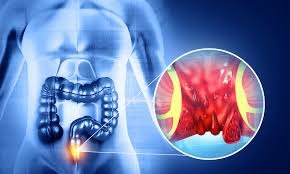
Piles, also known as hemorrhoids, are swollen veins in the lower rectum or anus. They can cause discomfort, pain, itching, and bleeding during bowel movements.
Piles can be internal (inside the rectum) or external (under the skin around the anus), and if left untreated, they may worsen over time.

At Arogyam Piles Clinic, we focus on treating piles through safe and non-surgical Ayurvedic methods that address the root cause of the problem.
A specialized Ayurvedic procedure that is minimally invasive and highly effective
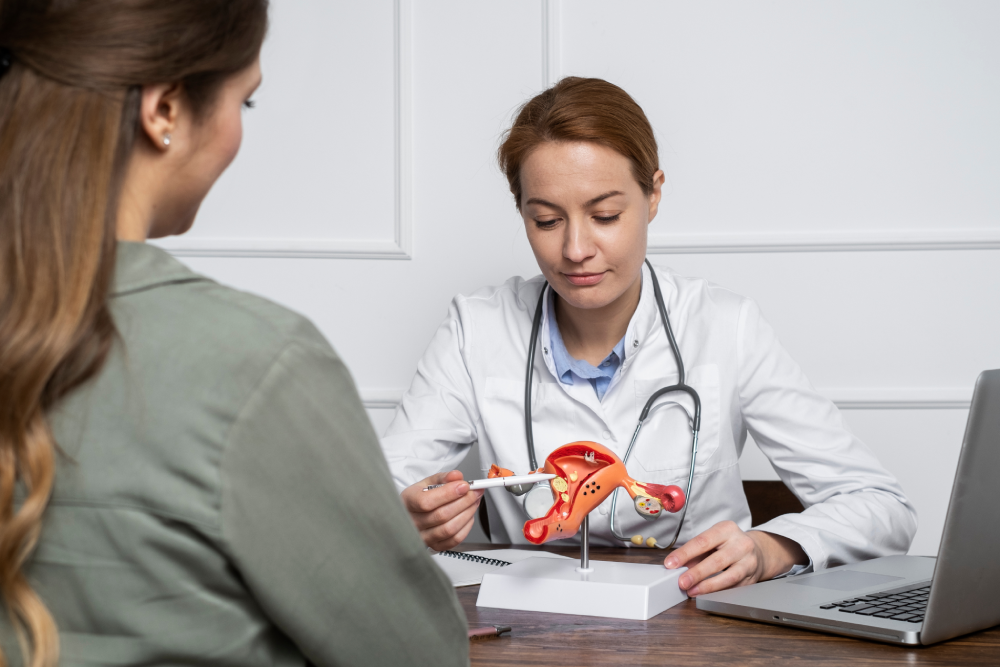

100% natural Ayurvedic treatment

Quick and comfortable healing process

Affordable treatment without surgery

Custom care tailored to your needs

Effective prevention of recurrence

Our specialists ensure expert care
At Arogyam Piles Clinic, our focus is not just on temporary relief, but on complete healing and long-term results. With our Ayurvedic treatment approach, most patients experience gradual improvement without the need for surgery.
Recovery depends on the severity and type of piles, but with proper treatment and guidance, patients can return to their normal routine comfortably.
Yes, piles can often be treated without surgery, especially in the early stages. Simple measures like a high-fiber diet, proper hydration, medications, and home remedies can effectively reduce symptoms. In some cases, minimally invasive procedures may be used, avoiding the need for major surgery.
Yes, piles can often be treated without surgery, especially in the early stages. Simple measures like a high-fiber diet, proper hydration, medications, and home remedies can effectively reduce symptoms. In some cases, minimally invasive procedures may be used, avoiding the need for major surgery.
Yes, piles can often be treated without surgery, especially in the early stages. Simple measures like a high-fiber diet, proper hydration, medications, and home remedies can effectively reduce symptoms. In some cases, minimally invasive procedures may be used, avoiding the need for major surgery.
Yes, piles can often be treated without surgery, especially in the early stages. Simple measures like a high-fiber diet, proper hydration, medications, and home remedies can effectively reduce symptoms. In some cases, minimally invasive procedures may be used, avoiding the need for major surgery.
Yes, piles (hemorrhoids) can often be treated without surgery, particularly when identified in the early stages. Many patients experience significant relief through simple lifestyle and dietary changes. Increasing fiber intake by consuming fruits, vegetables, and whole grains helps soften stools and reduces strain during bowel movements, which is one of the main causes of piles. Drinking plenty of water throughout the day also supports smooth digestion and prevents constipation. In addition to diet, maintaining proper hygiene and avoiding prolonged sitting can further reduce discomfort. Doctors may also recommend medications such as topical creams, ointments, or oral tablets to relieve pain, itching, and swelling. Home remedies like warm sitz baths and cold compresses can be highly effective in soothing the affected area. In some cases, minimally invasive procedures such as rubber band ligation or sclerotherapy are used. These treatments are quick, require little to no downtime, and do not involve major surgery. Overall, with the right approach and early intervention, piles can usually be managed successfully without the need for surgical treatment.
Yes, piles (hemorrhoids) can often be treated without surgery, particularly when identified in the early stages. Many patients experience significant relief through simple lifestyle and dietary changes. Increasing fiber intake by consuming fruits, vegetables, and whole grains helps soften stools and reduces strain during bowel movements, which is one of the main causes of piles. Drinking plenty of water throughout the day also supports smooth digestion and prevents constipation. In addition to diet, maintaining proper hygiene and avoiding prolonged sitting can further reduce discomfort. Doctors may also recommend medications such as topical creams, ointments, or oral tablets to relieve pain, itching, and swelling. Home remedies like warm sitz baths and cold compresses can be highly effective in soothing the affected area. In some cases, minimally invasive procedures such as rubber band ligation or sclerotherapy are used. These treatments are quick, require little to no downtime, and do not involve major surgery. Overall, with the right approach and early intervention, piles can usually be managed successfully without the need for surgical treatment.
Surgery for piles is generally considered only when the condition becomes severe or does not respond to non-surgical treatments. This typically happens when hemorrhoids are large, prolapsed (protruding outside the anus), or cause persistent symptoms such as heavy bleeding, intense pain, or infection. In such cases, conservative methods like medications and lifestyle changes may no longer provide sufficient relief. Surgical procedures aim to remove or reduce the hemorrhoidal tissue and provide long-term relief from symptoms. Common surgical options include hemorrhoidectomy and stapled hemorrhoidopexy, both of which are effective but may require some recovery time. Doctors evaluate the patient’s condition, severity, and overall health before recommending surgery. While the idea of surgery may sound intimidating, modern techniques are safe and have high success rates. However, it is important to note that surgery is usually the last option, and most people can avoid it by seeking early treatment and following proper preventive measures.
Surgery for piles is generally considered only when the condition becomes severe or does not respond to non-surgical treatments. This typically happens when hemorrhoids are large, prolapsed (protruding outside the anus), or cause persistent symptoms such as heavy bleeding, intense pain, or infection. In such cases, conservative methods like medications and lifestyle changes may no longer provide sufficient relief. Surgical procedures aim to remove or reduce the hemorrhoidal tissue and provide long-term relief from symptoms. Common surgical options include hemorrhoidectomy and stapled hemorrhoidopexy, both of which are effective but may require some recovery time. Doctors evaluate the patient’s condition, severity, and overall health before recommending surgery. While the idea of surgery may sound intimidating, modern techniques are safe and have high success rates. However, it is important to note that surgery is usually the last option, and most people can avoid it by seeking early treatment and following proper preventive measures.
Watch real experiences of patients who trusted us and successfully recovered with our treatment.
© 2026. All Rights Reserved