
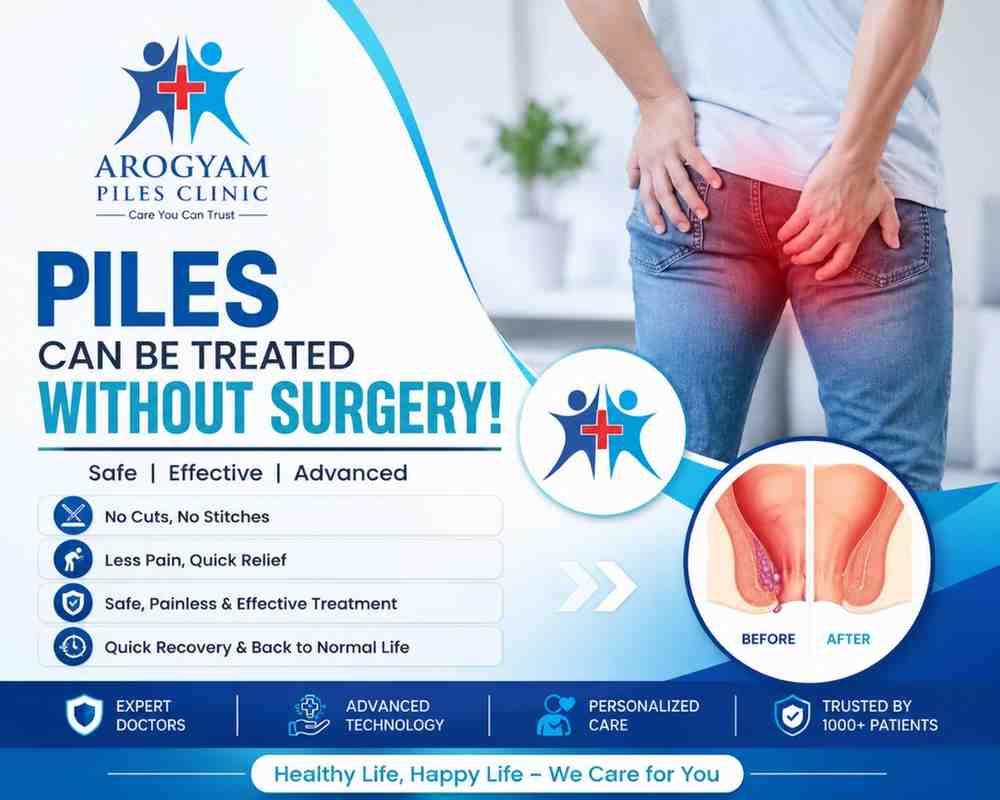
Hearing the word “piles” often makes people worry that surgery is the only solution. The good news is that this is not always true. Many people with mild to moderate hemorrhoids can find relief through lifestyle changes, medications, and advanced non-surgical treatments. The key is getting the right diagnosis and starting treatment early before the condition becomes severe.
If you are wondering Can Piles Be Treated Without Surgery?, the answer depends on the stage of the disease, your symptoms, and your overall health. In many cases, doctors recommend conservative treatment first, and surgery is considered only when other methods fail or complications develop.
Why Early Treatment Makes a Big Difference
Ignoring piles can make symptoms worse over time. What begins as occasional discomfort may gradually lead to pain, swelling, bleeding, itching, or prolapse. Seeking treatment at an early stage not only relieves symptoms faster but also increases the chances of avoiding surgery altogether.
Many patients delay visiting a specialist due to embarrassment. However, piles are one of the most common anorectal conditions and can be treated effectively when addressed on time.
What Are Piles?
Piles, also known as hemorrhoids, are swollen veins in the lower rectum or around the anus. They develop when excessive pressure is placed on these veins, causing them to enlarge and become inflamed.
There are two main types of piles:
Internal Piles
Internal hemorrhoids develop inside the rectum and are usually painless. They may cause bleeding during bowel movements and, in advanced stages, may protrude outside the anus.
External Piles
External hemorrhoids form around the anal opening. These are more likely to cause pain, swelling, itching, and discomfort while sitting or passing stool.
Common Signs You Should Never Ignore
Recognizing symptoms early can help prevent complications. The most common signs include:
- Bright red bleeding during bowel movements
- Pain or discomfort while passing stool
- Persistent itching around the anus
- Swelling or a lump near the anal area
- Feeling of incomplete bowel emptying
- Mucus discharge
- Difficulty sitting comfortably
If these symptoms continue for several days, consulting a specialist is recommended.
What Causes Piles?
Several lifestyle and health factors contribute to the development of hemorrhoids.
Chronic Constipation
Straining during bowel movements puts excessive pressure on the veins around the rectum.
Low-Fiber Diet
A diet lacking fruits, vegetables, and whole grains often leads to hard stools and constipation.
Sitting for Long Hours
Office workers and people with sedentary lifestyles have a higher risk because prolonged sitting increases pressure on the anal region.
Pregnancy
Hormonal changes and increased abdominal pressure make piles common during pregnancy.
Obesity
Extra body weight increases pressure on the pelvic veins.
Heavy Weight Lifting
Regular lifting of heavy objects without proper technique may also contribute to hemorrhoids.
Can Lifestyle Changes Help?
For many patients, simple daily habits play a major role in controlling symptoms.
Drinking enough water keeps stools soft and easier to pass. A fiber-rich diet improves digestion and reduces constipation naturally. Regular walking or light exercise stimulates healthy bowel movements and reduces pressure on rectal veins.
Avoid delaying bowel movements whenever you feel the urge. Spending too much time on the toilet or excessive straining can worsen piles.
Maintaining a healthy body weight also reduces the chances of recurrence after treatment.
Non-Surgical Treatments That Work
Modern medicine offers several options before surgery becomes necessary.
Medications
Doctors may prescribe creams, ointments, suppositories, or oral medicines to reduce inflammation, pain, and itching. These medications provide symptom relief but work best when combined with lifestyle improvements.
Sitz Bath
Sitting in warm water for 15–20 minutes several times a day relaxes the anal muscles, reduces swelling, and provides comfort.
Dietary Management
Increasing fiber intake through vegetables, fruits, oats, bran, and whole grains helps produce softer stools, reducing pressure during bowel movements.
Stool Softeners
Doctors sometimes recommend stool softeners for patients experiencing chronic constipation to make bowel movements easier.
Office-Based Procedures
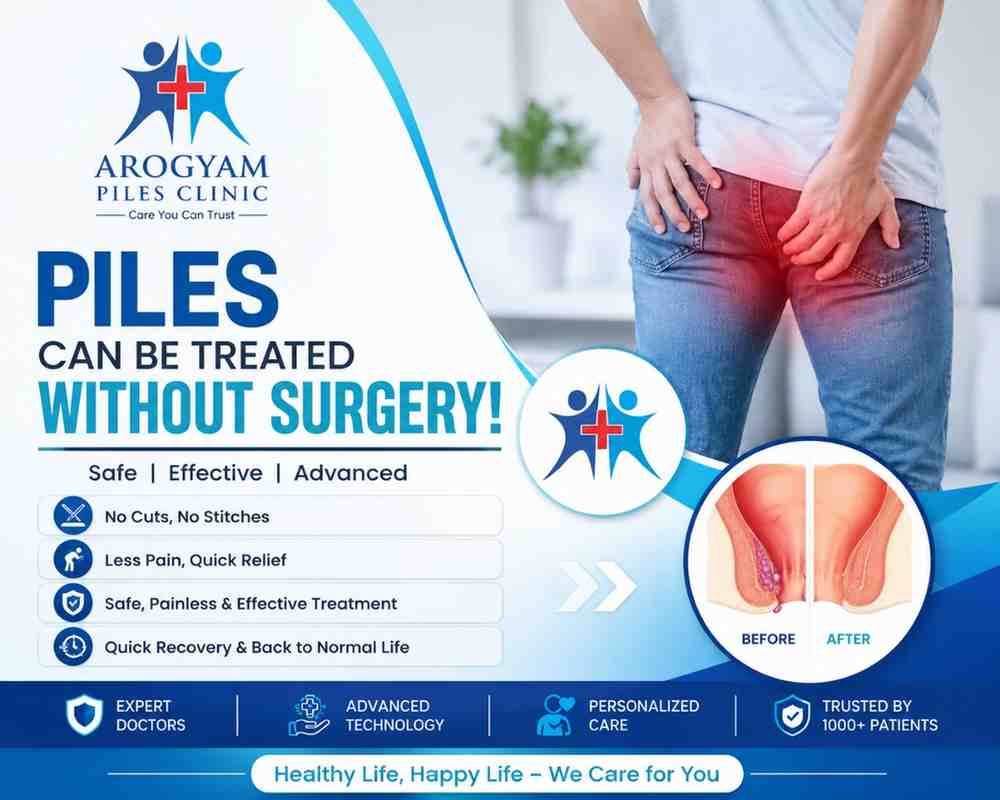
In some cases, minimally invasive treatments performed in a clinic can effectively treat hemorrhoids without traditional surgery. These procedures involve less pain, quicker recovery, and allow patients to return to normal activities sooner.
When Does Surgery Become Necessary?
Although many people recover with medicines, diet, and minimally invasive procedures, there are situations where surgery may be the best option. Large prolapsed hemorrhoids, excessive bleeding, repeated infections, or severe pain that does not improve with conservative treatment may require surgical intervention. A specialist evaluates the severity of the condition and recommends the most suitable treatment. Delaying treatment for advanced piles can increase discomfort and prolong recovery, so timely medical consultation is always beneficial.
Foods That Help You Recover Faster
A healthy diet plays a vital role in managing piles naturally. Eating fiber-rich foods softens stools and reduces the need for straining during bowel movements.
Fresh fruits such as apples, papaya, pears, and oranges are excellent choices. Green leafy vegetables, carrots, cucumbers, broccoli, and pumpkin provide essential fiber that supports healthy digestion. Whole grains like oats, brown rice, and whole wheat bread improve bowel regularity. Legumes, beans, lentils, flaxseeds, and chia seeds are also beneficial because they add bulk to the stool and promote smooth bowel movements.
Drinking at least two to three liters of water every day helps fiber work effectively and prevents constipation. Coconut water, fresh fruit juices without added sugar, and homemade soups can also contribute to proper hydration.
Foods to Avoid During Piles Treatment
Certain foods may worsen constipation or irritate the digestive system. Limiting spicy foods, deep-fried snacks, processed foods, refined flour products, and excessive fast food can reduce flare-ups. Alcohol, excessive caffeine, sugary beverages, and low-fiber diets may also increase discomfort in some individuals.
Making healthier food choices every day supports faster healing and lowers the chances of recurring symptoms.
Simple Daily Habits That Prevent Piles from Returning
Even after symptoms improve, maintaining healthy habits is important to avoid recurrence. Regular physical activity improves digestion and reduces pressure on the rectal veins. Avoid sitting continuously for long hours; take short walking breaks every hour if your work requires prolonged sitting.
Never ignore the urge to pass stool, and avoid excessive straining during bowel movements. Spending less time on the toilet also reduces unnecessary pressure on the anal region. Managing body weight and following a balanced diet contribute significantly to long-term digestive health.
These small lifestyle changes can make a remarkable difference in preventing future episodes.
Recovery Tips for Better Comfort
Healing becomes easier when patients follow their doctor’s advice consistently. Taking prescribed medicines on time, maintaining good personal hygiene, and following dietary recommendations help reduce symptoms more quickly.
Warm sitz baths can provide additional comfort by reducing irritation and relaxing the surrounding muscles. Wearing loose, breathable clothing also minimizes friction and improves comfort during recovery.
Patients should avoid lifting heavy objects during the healing period and gradually return to normal physical activities based on medical advice.
Why Professional Diagnosis Matters
Many anorectal conditions, including fissures, fistulas, and colorectal disorders, can produce symptoms similar to piles. Self-diagnosis may delay appropriate treatment and increase the risk of complications.
A proper examination helps identify the exact cause of bleeding or discomfort and ensures that the treatment plan is tailored to the patient’s condition. Early diagnosis often results in simpler treatment, quicker recovery, and improved quality of life.
Frequently Asked Questions
1. Can piles disappear without surgery?
Yes. Mild and moderate piles often improve with dietary changes, medications, proper hydration, and healthy lifestyle habits. Early treatment significantly increases the chances of avoiding surgery.
2. How long does non-surgical piles treatment take?
The recovery period varies depending on the severity of the condition. Many patients notice improvement within a few days to a few weeks when they follow the prescribed treatment and lifestyle recommendations.
3. What is the best way to prevent piles naturally?
Maintaining a high-fiber diet, drinking plenty of water, exercising regularly, avoiding constipation, and not straining during bowel movements are among the most effective ways to prevent piles.
Conclusion
Piles are a common condition that can affect people of all ages, but they do not always require surgery. Early diagnosis, healthy lifestyle changes, proper nutrition, and timely medical care can successfully manage symptoms for many patients. Understanding the causes, recognizing early warning signs, and following preventive measures can help you recover comfortably while reducing the risk of recurrence. If symptoms persist or become severe, seeking expert medical advice ensures that you receive the most appropriate treatment for your specific condition.
Why Choose Arogyam Piles Clinic?
If you are looking for expert care and personalized treatment for piles, Arogyam Piles Clinic provides comprehensive evaluation and advanced treatment options tailored to each patient’s condition. The experienced medical team focuses on accurate diagnosis, patient comfort, and evidence-based care to help individuals recover safely and effectively. Whether your symptoms are mild or advanced, Arogyam Piles Clinic is committed to offering compassionate guidance, modern treatment approaches, and long-term support so you can return to a healthy, pain-free life with confidence.