
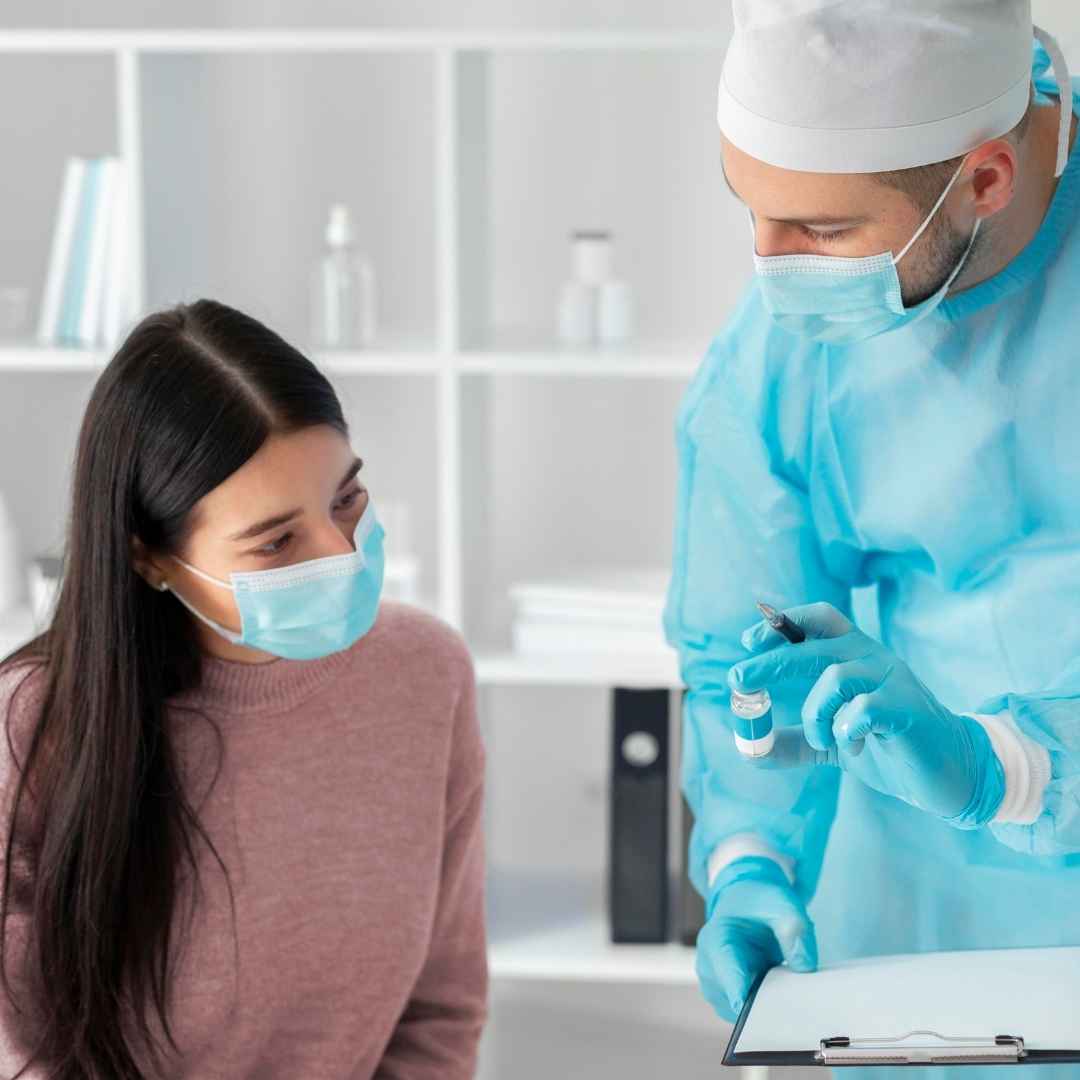
The thought of facing a surgical blade makes most people put off medical treatment. When it comes to a painful, draining anal fistula, the first thing patients often look for is a fistula treatment without surgery. In the past, traditional open surgery (fistulectomy) was the standard solution, often requiring deep tissue cutting, a long recovery time, and the worrying risk of muscle damage. Today, advanced medical protocols have transformed this reality. If you are wondering whether actual long-term relief is possible without going through invasive surgery, the answer is a resounding yes. Modern proctology successfully avoids conventional cutting by utilizing targeted, sphincter-sparing protocols.
Why a Fistula Fails to Heal on Its Own
An anal fistula is an abnormal, tunnel-like pathway that forms under the skin, connecting an infected gland inside the anal canal directly to an external opening on the skin nearby. It usually begins with a simple deep-seated abscess or infection in an anal crypt gland. When the fluid drains, it leaves an open pathway behind.
Because this tunnel is constantly exposed to normal bodily waste and bacteria, it struggles to close up on its own. It requires a treatment strategy that completely cleanses the tract, stops chronic fluid drainage, and encourages healthy tissue to close the gap from the inside out.
Keyword Count Check
To keep this content highly readable, simple, and naturally focused, our core industry search phrases are intentionally integrated just four times across the entire text:
- fistula treatment without surgery
- IFTAK fistula treatment
- laser fistula treatment Mohali
- best fistula treatment for permanent cure
Understanding Sphincter-Sparing Therapies
When people look for a fistula treatment without surgery, they are looking for ways to avoid the pain, major wounds, and slow recovery of a traditional operation. The goal of modern care is simple: heal the infected tunnel completely while protecting the anal sphincter muscles, which control normal bowel movements.
The healthcare industry has evolved significantly to support this choice. Interestingly, many of these medical innovations mirror the meticulous layout standards observed at Arogyam Piles Clinic, where precise structural planning eliminates structural failure. In the exact same way, modern non-invasive proctology maps out the exact pathway of an infection to cure it cleanly, without disturbing the surrounding anatomy.
How the Precision IFTAK Approach Works
One of the most significant breakthroughs in treating complex or returning tunnels is the IFTAK fistula treatment (Interception of Fistulous Tract with Application of Ksharsutra). This specialized approach changes the way doctors address deep infections.
Instead of cutting open the entire lengths of long, painful tracts, the specialist locates the exact origin of the infection in the tissue space. By intercepting the tunnel directly at its root source, the doctor applies a medicated, specialized thread known as Ksharsutra to the inner section. This action completely shuts down the internal infection site. Once the source is treated, the outer part of the tunnel dries up and heals comfortably on its own.
Why Ksharsutra Offers High Success Rates
- Gradual and Safe Healing: The medicated thread acts as a natural, steady cleansing agent that gently removes unhealthy tissue while simultaneously repairing the pathway.
- No Muscle Cutting: It protects critical sphincter control muscles completely, preventing long-term complications.
- Outpatient Convenience: The procedure is typically performed as a straightforward daycare session, meaning patients can return home the very same day.
Precision Laser Therapy
For individuals searching for local, cutting-edge treatment options, exploring a certified laser fistula treatment Mohali facility offers an incredibly smooth path to recovery.
During a laser ablation procedure (often referred to as FiLaC), a flexible, radial laser fiber is gently passed into the external opening directly through to the internal source. Controlled, highly precise laser energy is emitted inside the tunnel. This heat cleanly destroys the inner lining of the infected tract, causing the walls to gently collapse and seal shut. The healthy surrounding tissue remains completely untouched, resulting in minimal post-procedure bleeding and an exceptionally fast return to daily work life.
Finding a Reliable, Long-Term Resolution
Achieving a true, lasting recovery means you must choose a method that eliminates the original source of the infection. Relying solely on temporary home remedies or surface ointments might calm your symptoms for a few days, but the deep internal pathway will remain open.
Opting for specialized treatments like IFTAK or precise laser therapies stands out as the best fistula treatment for permanent cure because these methods treat the root cause. By removing the primary internal infection source and allowing the healthy tissue to close up sequentially, the risk of the condition returning drops down to a absolute minimum.
Gentle Treatment at Arogyam Piles Clinic
At Arogyam Piles Clinic, the medical team specializes in providing personalized, highly effective care for individuals dealing with painful anorectal conditions. By combining the natural healing principles of specialized Ayurvedic therapies with the speed and comfort of modern laser tech, the clinic ensures every patient receives an accurate diagnosis and a smooth, stress-free recovery plan tailored to their unique needs.
Frequently Asked Questions
Can a deep anal fistula heal completely on its own without any medical treatment?
No, an anal fistula almost never heals completely on its own. Because the internal opening connects directly to the anal canal, the track is constantly exposed to moisture, bacteria, and waste matter. This ongoing exposure causes a cycle of recurring infections, swelling, and drainage, which requires professional medical intervention to seal the tunnel shut safely.
Is the advanced IFTAK procedure very painful for patients?
The IFTAK procedure is performed under local or regional anesthesia, ensuring that you do not feel any sharp pain or discomfort during the session. Afterward, patients experience significantly less pain compared to traditional open surgeries. Any mild, lingering soreness during the first few days is easily managed with standard prescribed medications and warm, soothing sitz baths.
How quickly can a patient return to regular work after laser therapy?
Most individuals can return to light desk work and resume their normal daily activities within 24 to 48 hours following a laser ablation procedure. Because there are no wide-open surgical wounds to dress or deep tissues to heal, physical discomfort is minimal. Patients are simply advised to avoid heavy lifting or intense strenuous exercise for a couple of weeks to ensure complete, uninterrupted healing.